



What is Home Sharing?
Home Sharing is a flexible support service for children and adults with an intellectual disability. It involves a carefully matched family or individual in the community who has been vetted, assessed, and approved to welcome a person into their own home, either for short breaks or longer-term support.
This approach offers a personalised, home-based support option that works in partnership with families, supporting people to remain connected to everyday family and community life.
Home Sharing includes several types of support, such as Short Breaks, Contract Family, Shared Living, and Relative Home Sharing.

A Collaborative Service
Home Share Galway is delivered in partnership between Ability West and Corlann (West Region), providing high-quality, family-based supports across Galway City and County. This joint service model strengthens the Home Sharing pathway by bringing together shared expertise, a wider choice of placements, and a coordinated approach for families and referrers.
✔ Joint service model with shared expertise
✔ Wider choice of placements and improved matching
✔ Consistent standards, safeguarding, and training
✔ One coordinated service for families and referrers
Ability West Home Sharing Team Blackrock House Salthill, Galway H91 R254 Tel: 091540 942

Corlann West Home Sharing Team 5 Fána Buí Ballymoneen Road Knocknacarra Galway Tel: 091 721 560


Relative Home Sharing is a formal Home Sharing arrangement where an extended family member or trusted family friend provides planned respite to a child or adult with an intellectual disability.
It builds on existing relationships, offering:
Familiarity and trust
Continuity of care
Comfort and reassurance
Predictable routines
Strong communication between families and services
For many families, this approach simply formalises support that is already happening, in a safe, structured and supported way.
Relative Home Sharing
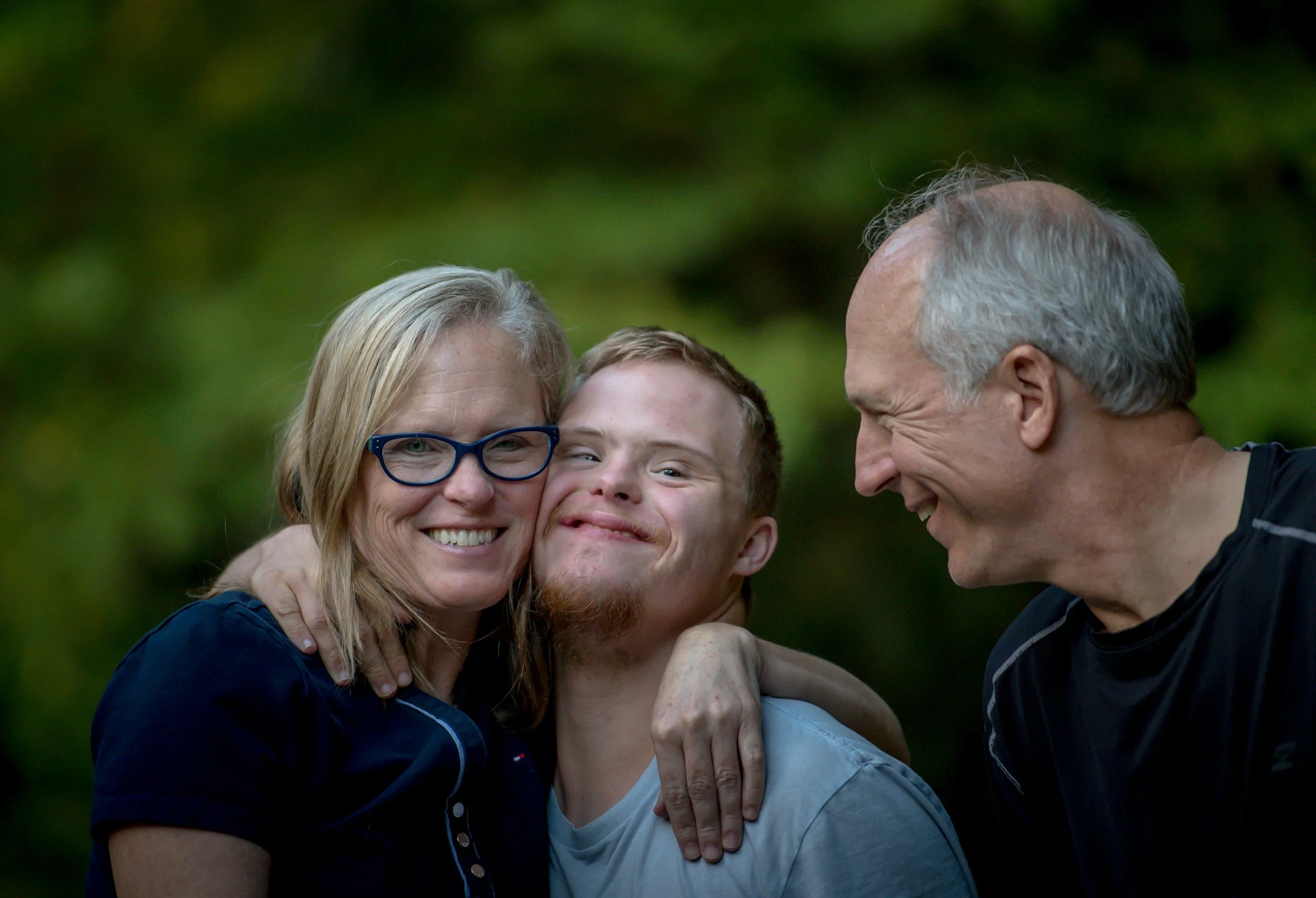
Important Information
To Access Relative Home Sharing, the person supported must already be in receipt of services from Ability West or Corlann West Region.
If you are currently linked with:
Ability West → please contact the Ability West Home Sharing team 091 540 942 / homesharing@abilitywest.ie
Corlann West → please contact the Corlann Home Sharing team 091 721 560 / familysupport@corlann.ie
Our teams will guide you through the process and assess if Relative Home Sharing is suitable.
-
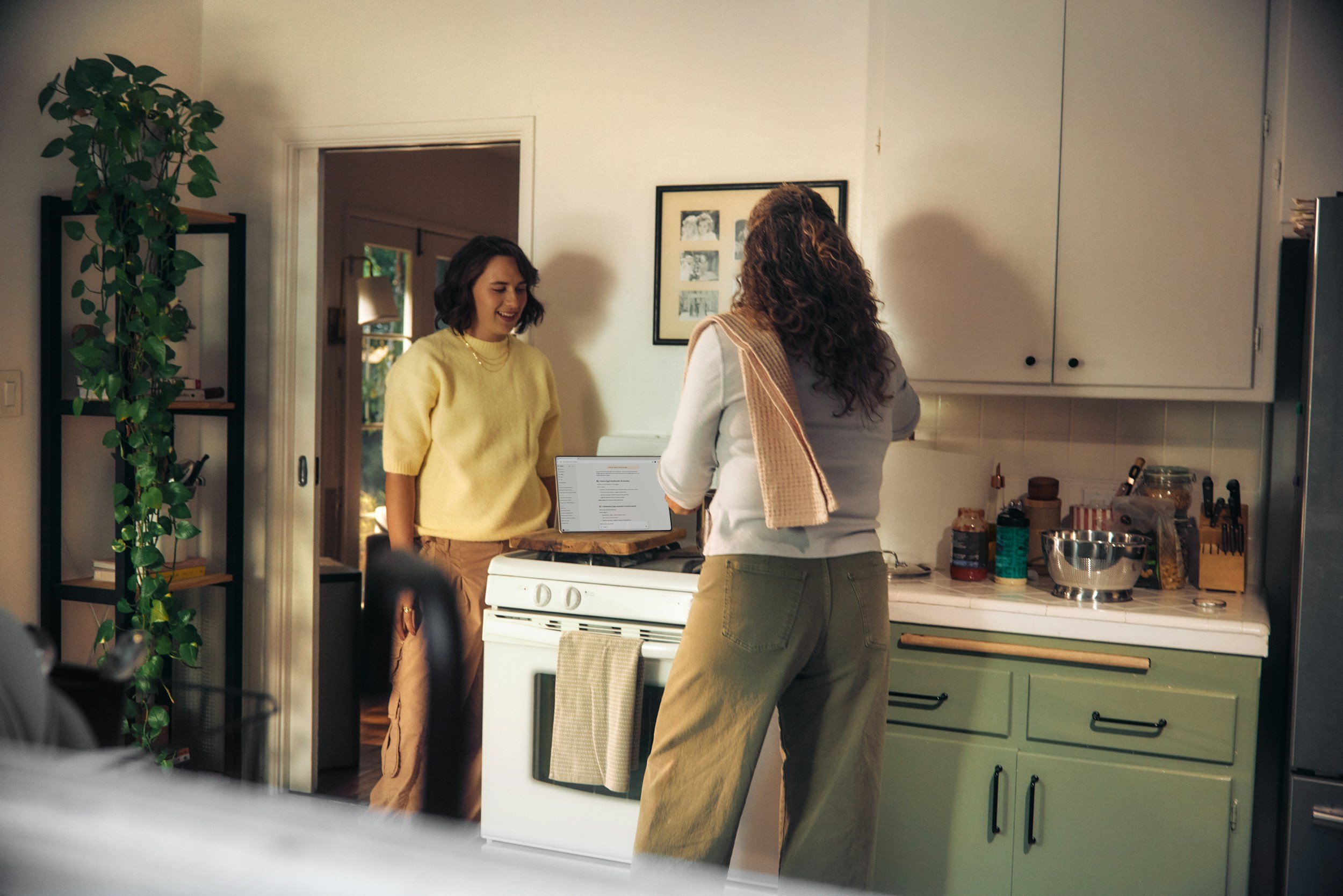
Who is it for?
Extended family members (e.g. siblings, aunts/uncles, grandparents)
Close family friends
Individuals already providing informal care or short breaks
-

Why Choose Relative Home Sharing?
Support from someone already known and trusted
Reduced stress and anxiety for the person supported
Greater continuity than traditional respite
A meaningful break for primary carers
Clear expectations and boundaries for everyone
-
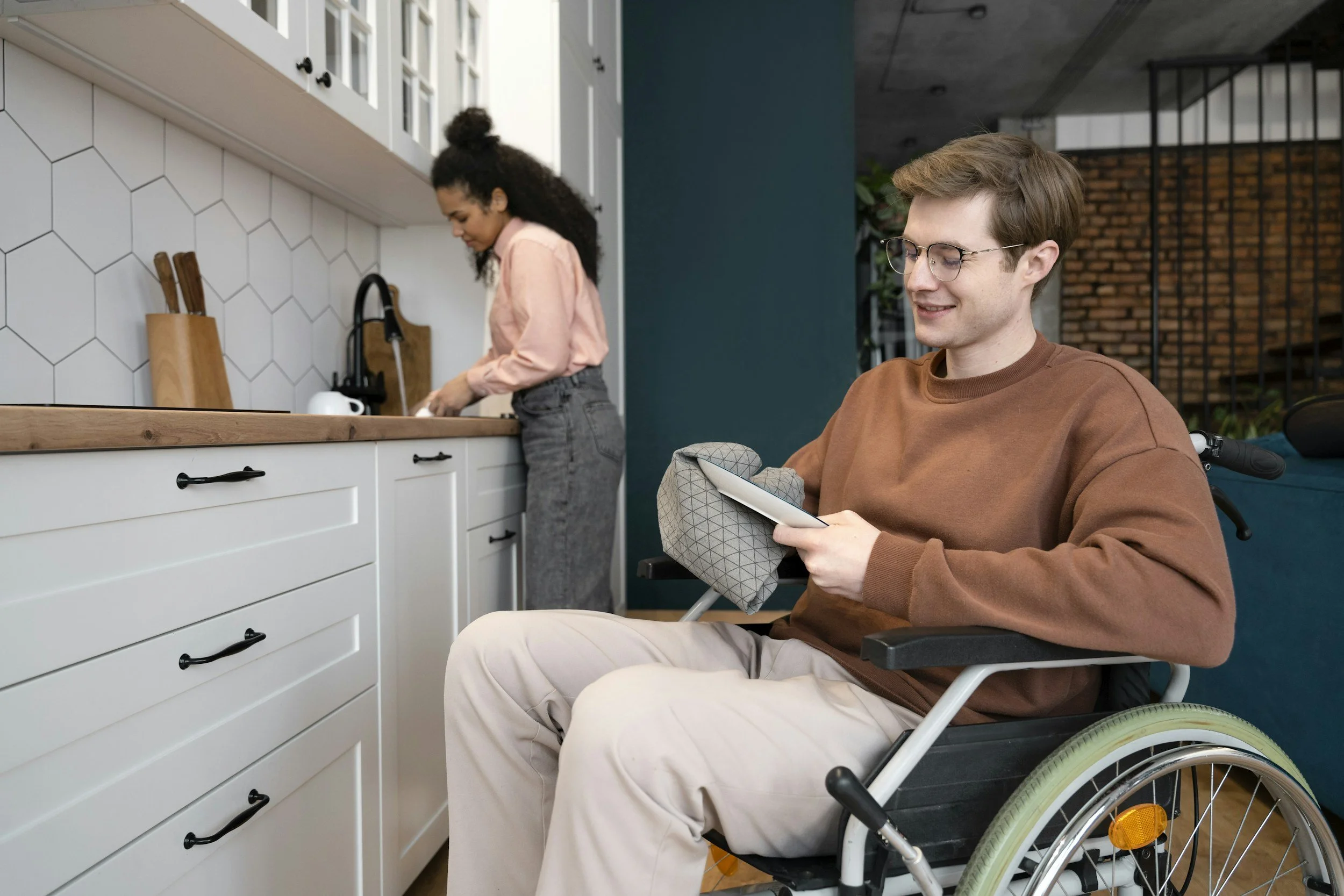
What supports is Provided?
A structured and supported arrangement
Ongoing input from the Home Sharing team
Training in safeguarding, communication and positive behaviour support
Financial allowances in recognition of the role
Regular check-ins and reviews
Our other Home Sharing Models Explained
Short Breaks
Home Sharing Short Breaks arrangements are based on the Home Sharing family’s availability around work and other caring commitments, as this is not generally the Home Sharing family’s primary role. Under this arrangement host families usually provide support for one or two night per month
Contract Family
Contract Families provide regular respite breaks in their own home to children or adults with an intellectual disability, offering a minimum of six nights of support each month. This role can be an excellent option for people working in social care or nursing who wish to reduce their hours, as it allows them to use their caring skills in a flexible, home‑based setting. With predictable respite nights, ongoing support, and regular financial payment, becoming a Contract Family can provide a meaningful balance between professional experience and a more manageable lifestyle.
Shared Living
Shared Living families provide full-time support and accommodation to an adult with an intellectual disability similar to a fostering placement
The person supported may spend some time during the month with their own family or with another Home Sharing family but their main residence is with the Shared Living family for a minimum of 21 nights per month.
Ability West Home Sharing Team
select their image to view their biography Angharad Langford
Home Sharing Manager

Michelle Warner
Home Sharing Support Officer

Eileen Croke
Home Sharing Placement Social Worker

Nicola Ryan-Wallace
Home Sharing Family Social Worker

Amelie Ebersberger
Home Sharing Family Social Worker

Interested in becoming a Home Sharing family?
Get in touch with the team by calling 091 540 942 or by completing the enquiry form.
Why become a Home Sharing family?
People become a Home Sharing family for a variety of reasons. Each arrangement is as unique as the people involved. Some people provide Home Sharing because they want to get to know more people in the community while others provide Home Sharing because they are happy to open their homes and their lives to people and families that need support. Some people become involved in Home Sharing so that their own families can learn to understand and embrace diversity. Whatever the reason, the most important thing is that Home Sharing families are supporting a child or an adult to have meaningful breaks. Home Sharing is one way of developing individualised services for people with an intellectual disability as opposed to group models of service provision.
How to Become a Home Sharing Family?
Becoming a Home Sharing family is a meaningful commitment, and there are several important factors to consider before deciding to host a child or adult with an intellectual disability in your home. Please select each section below to learn more about the different stages of the Home Sharing process
-
Apart from the practical elements (such as having a spare bedroom and appropriate availability etc.), we require prospective Home Sharing to be compassionate, caring and dedicated. You don’t need a specific skill set but we are looking for families or individuals who really want to make a difference to a person’s life. It is also important that applicants have a flexible attitude and the ability to take on guidance and support.
-
Complete an application form to begin your Home Sharing Journey.
You must be over the age of 18 years old
You need a spare bedroom
If you are living with your partner you will need to apply as a joint application
-
A social worker will visit you at home to talk to you about what’s involved in the Home Sharing assessment.
The assessment will involve 2/3 home visits with you and your family to talk about you and your life experiences.
The assessment is an important part of your Home Sharing journey. The assessment process provides the Home Sharing team with the information needed to ensure you are matched with the right person.
This is a non-judgmental part of the process, so it's really important to be open and honest with the Social Worker. Your honesty helps us understand your needs better and ensures we can provide the best possible support for your Home Sharing journey.
-
Anyone that wants to become a Home Sharing family has to complete the Home Sharing induction training.
Training is a vital part of your Home Sharing journey and will give you a good overview of how to support someone with an intellectual disability in your own home.
-
All Home Sharing families are required to complete their Garda Vetting, not only before they can be approved, but every three years once they have been approved to host.
Checks are also made with the local Tusla Child & Family Agency to enquire if you are known to their services.
A medical will need to be completed by your GP during the assessment, and also once every five years following your approval to host.
-
Once your assessment is finished the Social Worker writes up an assessment report to present to the Approval Panel for approval.
-
Getting the match right is key to a successful placement. The Home Sharing team will take into consideration a number of factors to try and get the right match:
environment
interests / hobbies
religion
language
location

Development of Home Sharing
Initially established in 1985 by Ability West as a pilot scheme to offer children a holiday away from home. The aim was to give the child a holiday, give the family a break from providing continuous care, and to create a greater awareness of disability within the community.
In the 1990’s Home Sharing was developed further due to the demand from families. Subsequently Ability West and the Brothers of Charity Ireland West Region (Galway) developed the service as an interagency scheme which is now known as Home Share Galway.
Home Share Galway is one of the most successful and well-established Home Sharing services in the country, and is now widely recognised as alternative Short Breaks Respite and as a full-time living option for people that use our services.
Person Centred Respite
Each placement aims to promote and empower the person supported, helping them to develop dignified relationships and to be included meaningfully in their community.
The family of the supported person can rest easy knowing that their loved one is being cared for in an inclusive family environment by a Home Sharing family who has been specifically matched for them. The Home Sharing families are fully trained, vetted, assessed and closely supported by the Home Sharing team.
A Message from President Michael D. Higgins on the occasion of the 2020 35th Anniversary Celebration of Home Sharing in Galway

Home Sharing Information
‘Home Sharing in Intellectual Disability Services in Ireland’ (HSE, 2016)
The HSE established a National Expert Group in 2016 to carry out a review of Home Sharing in Ireland. The report of the National Expert Group was published in September 2016.
Home Share Galway Handbook 2022
The Home Share Galway handbook is a guide given to all approved Home Sharing families in Galway City & County. The Home Sharing handbook outlines policies, procedures and guidance regarding a host family supporting a child or adult with an intellectual disabilty in their home. 
Home Sharing Allowance & Travel Form
Monthly allowance form and travel form for approved Home Shairng families to submit to their Ability West Home Sharing team. ‘Principles of Shared Living Transitions’ (NHSN, 2024)
The NHSN has established service principles to guide the referral process for establishing Shared Living arrangements. These principles are designed to empower adults receiving support, ensuring they remain at the center of decision-making throughout their shared living transition and beyond. NHSN’s approach prioritises collaboration, inclusivity, and respect, with its principles firmly rooted in current national governance standards. This framework ensures that all stakeholders are aligned in delivering meaningful support and fostering an environment where individuals can thrive in their shared living arrangement‘Collaborative Relationship between Tusla, HSE & CDNT with Home Sharing Services’ (NHSN, 2024)
The NHSN has established a pathway to enhance and promote Collaborative Practice among key stakeholders for children receiving Home Sharing Services, including the Department of Health, the Department of Children and Youth Affairs (DCYA), the Health Service Executive (HSE) and its agents, as well as the Children’s Disability Network Teams (CDNT). By aligning with national governance, NHSN demonstrates its commitment to quality supports, transparency, and the rights of individuals in Shared Living arrangements.